Scientific progress unfolds through two primary mechanisms. The first is the gradual, iterative refinement of existing knowledge: where new data and improved methodologies build upon established theories without overturning them. This form of advancement typically involves incremental improvements in measurement accuracy, parameter estimation, or experimental validation, all while maintaining alignment with prior scientific understanding. In contrast, scientific revolutions represent paradigm shifts—where a groundbreaking discovery or a transformative theoretical framework fundamentally alters our comprehension of natural phenomena, often rendering previous models obsolete.
Such revolutionary changes have historically redefined entire fields. Notable examples include:
- Kepler's formulation of elliptical planetary orbits within a heliocentric model,
- The development of plate tectonics as an explanation for Earth's crustal dynamics,
- Darwin's theory of evolution by natural selection,
- And Einstein's replacement of Newtonian gravity with general relativity.
These milestones illustrate how profound shifts in scientific understanding can emerge when researchers are willing to question prevailing assumptions and propose alternative frameworks. However, such revolutions require more than just skepticism—they demand rigorous, evidence-based alternatives that not only explain previously unexplained phenomena but also replicate the successes of the prior theory.
Without this foundation, even the most audacious contrarian claims risk being dismissed as speculative rather than scientifically valid. The process of challenging accepted wisdom must be grounded in empirical evidence and methodological soundness, ensuring that any new theory can withstand scrutiny from both proponents and critics alike.
To initiate a scientific revolution, an alternative theory must meet several critical criteria. It must not only address anomalies that the existing framework cannot explain but also reproduce all of the prior theory's successful predictions. Additionally, it should offer novel, testable hypotheses that distinguish it from the consensus model. This is a formidable challenge, requiring both theoretical ingenuity and empirical validation.
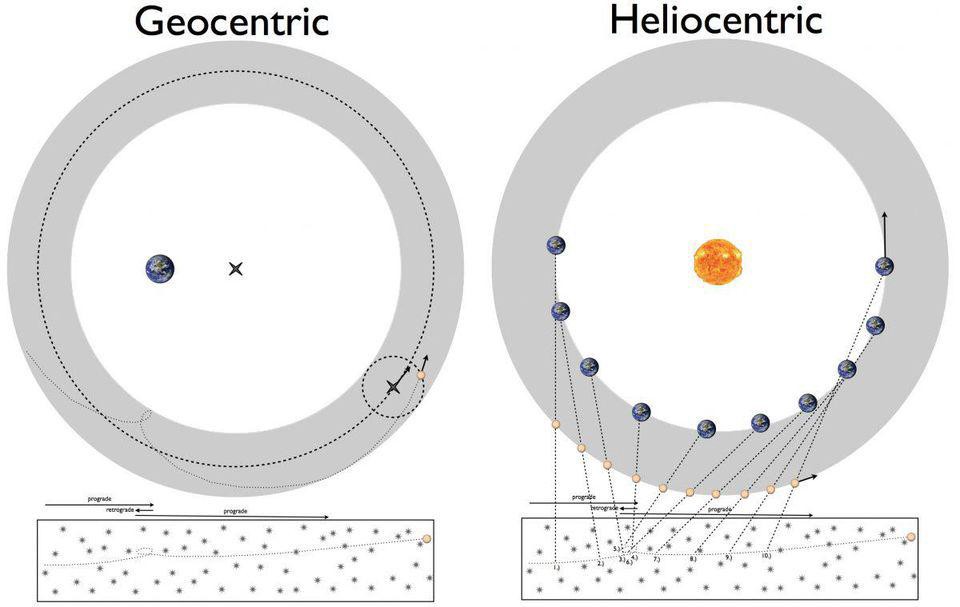
- Kepler built on Copernicus' heliocentric ideas but refined them to better fit observational data, surpassing the predictive power of Ptolemy’s geocentric model.
- Alfred Wegener’s continental drift hypothesis gained traction only after the development of plate tectonics provided a physical mechanism, a process that took nearly half a century to validate.
- Darwin’s evolutionary theory required empirical support from both observation and experimentation, later reinforced by the discovery of Mendelian genetics and DNA structure.
- Einstein’s general relativity not only explained Mercury’s orbital precession but also predicted the deflection of starlight during solar eclipses—a phenomenon that distinguished it from Newtonian physics.
Only when a new theory satisfies these conditions can it be considered a legitimate scientific revolution. Today, many researchers continue to challenge the status quo, but whether their approaches are scientifically rigorous remains a matter of debate. Evaluating these claims requires careful consideration of five essential criteria.

1.) Does the claim accurately reflect the current scientific consensus?
A fundamental starting point for evaluating any contrarian theory is whether it accurately represents the scientific consensus it seeks to challenge. Misrepresenting the consensus—often through strawman arguments—can lead to misleading conclusions and undermine the credibility of the alternative.
Consensus in science is not a product of groupthink but rather a result of overwhelming evidence supporting a particular theory. For instance, the Big Bang theory became the dominant model because its quantitative predictions about cosmic structure, element abundances, and the cosmic microwave background (CMB) matched observational data. While some scientists continue to challenge it, these challenges often mischaracterize its core successes.
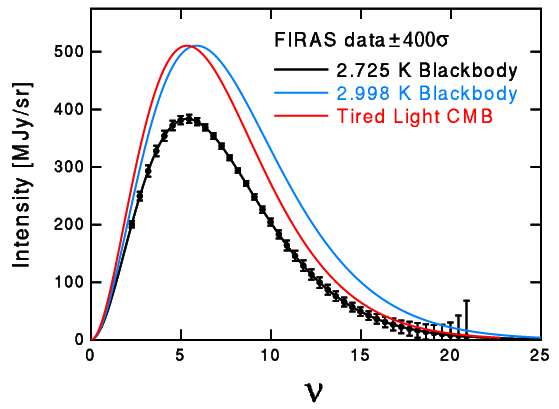
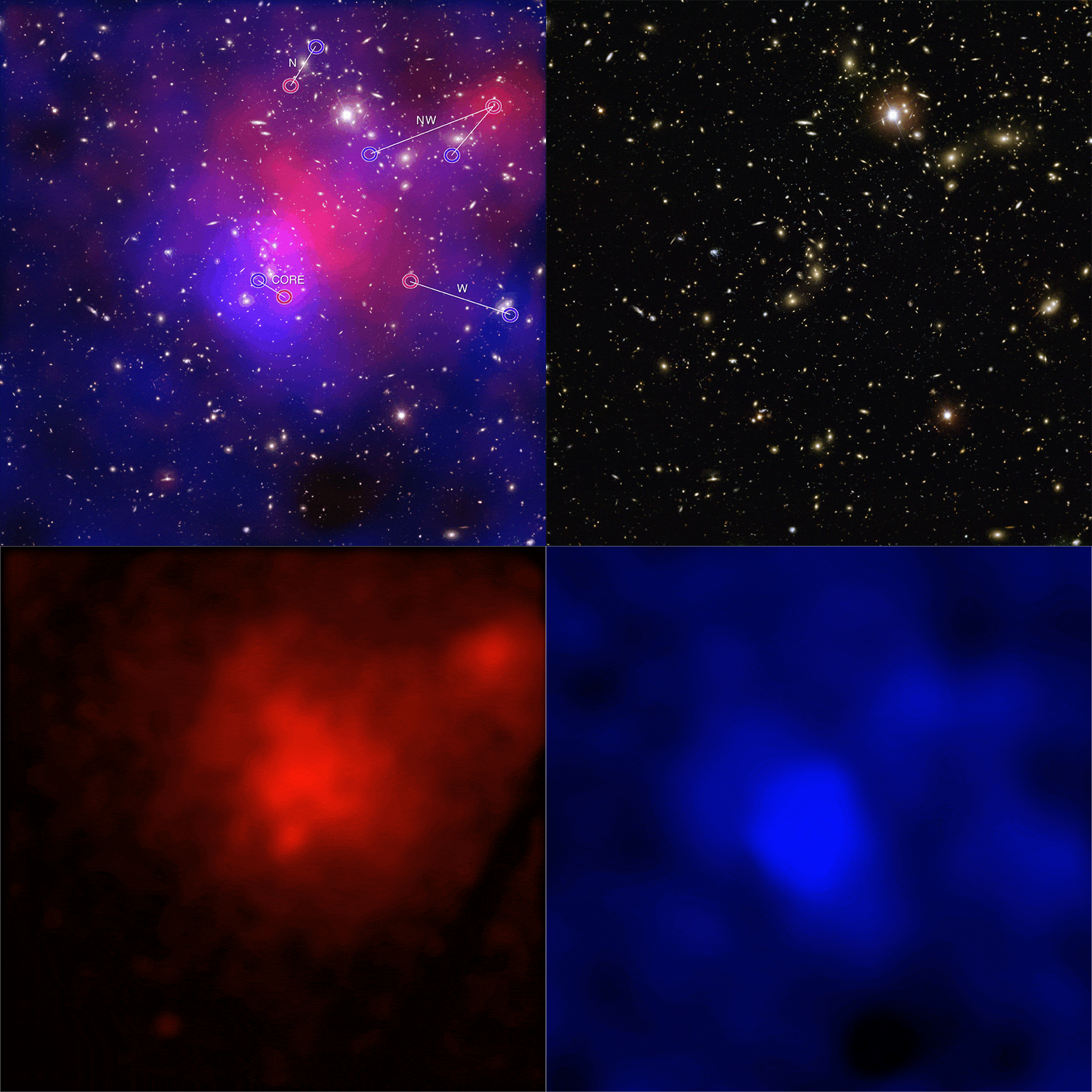
Despite the lack of empirical support, some alternative theories persist, such as tired light cosmology, which posits that redshifts arise from light losing energy over distance rather than the universe expanding. Similarly, claims that dark matter and dark energy are non-existent have been repeatedly refuted by data. Dark matter, for example, makes numerous predictions across multiple scales, and no viable alternative has yet replicated its explanatory power.
If a contrarian argument relies on misrepresenting the consensus, it risks being self-deceptive. Critical evaluation of scientific claims requires a clear and accurate understanding of the prevailing theory.
2.) Is the alternative theory based on a comprehensive analysis of the available evidence?
A common tactic among those promoting unverified theories is to selectively focus on evidence that supports their claims while ignoring contradictory data. This approach leads to flawed conclusions and undermines the scientific rigor of their arguments.
For example, while the hot Big Bang theory predicts lithium abundance, it also successfully explains hydrogen and helium distributions, as well as the cosmic microwave background. Alternative models that ignore these elements fail to provide a complete picture. Similarly, explanations for galaxy rotation curves that exclude large-scale structures like galaxy clusters and the cosmic web are incomplete and insufficient.
Scientific theories must account for all relevant data using the fewest possible parameters. When an alternative theory ignores key lines of evidence, it becomes less credible and more susceptible to criticism.

3.) Can the alternative theory explain all the phenomena that the consensus model does?
Even if a contrarian theory acknowledges the full range of evidence, it must still demonstrate that it can explain every success of the consensus model. This is particularly important in debates where the stakes are high, such as the origin of SARS-CoV-2.
Two main hypotheses exist regarding the virus’s origin: zoonotic spillover and a lab leak. While both seem plausible at first glance, genetic data indicates that the virus likely emerged naturally from wildlife. The presence of multiple independent lineages in early cases further supports this conclusion, as a single lab leak would not account for such diversity.

Without considering all available data, it is impossible to determine which hypothesis is more accurate. Only by comparing the strengths and weaknesses of each model can meaningful conclusions be drawn. Unfortunately, many public discussions omit crucial details, leading to widespread misinformation.
4.) Is there a fair way to compare the consensus model with the alternative?
For a scientific revolution to occur, there must be a clear, testable distinction between the consensus model and the alternative. If no such comparison exists, the alternative cannot be validated or falsified, making it scientifically untestable.
String theory, cyclic cosmology, and various interpretations of quantum mechanics have all faced this challenge. Without empirical tests that differentiate them from the consensus, they remain speculative rather than scientific.
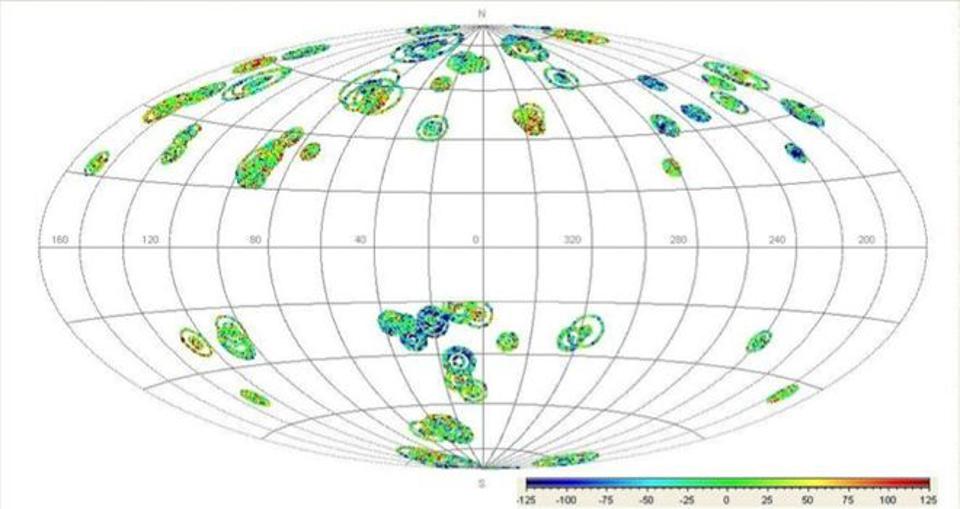
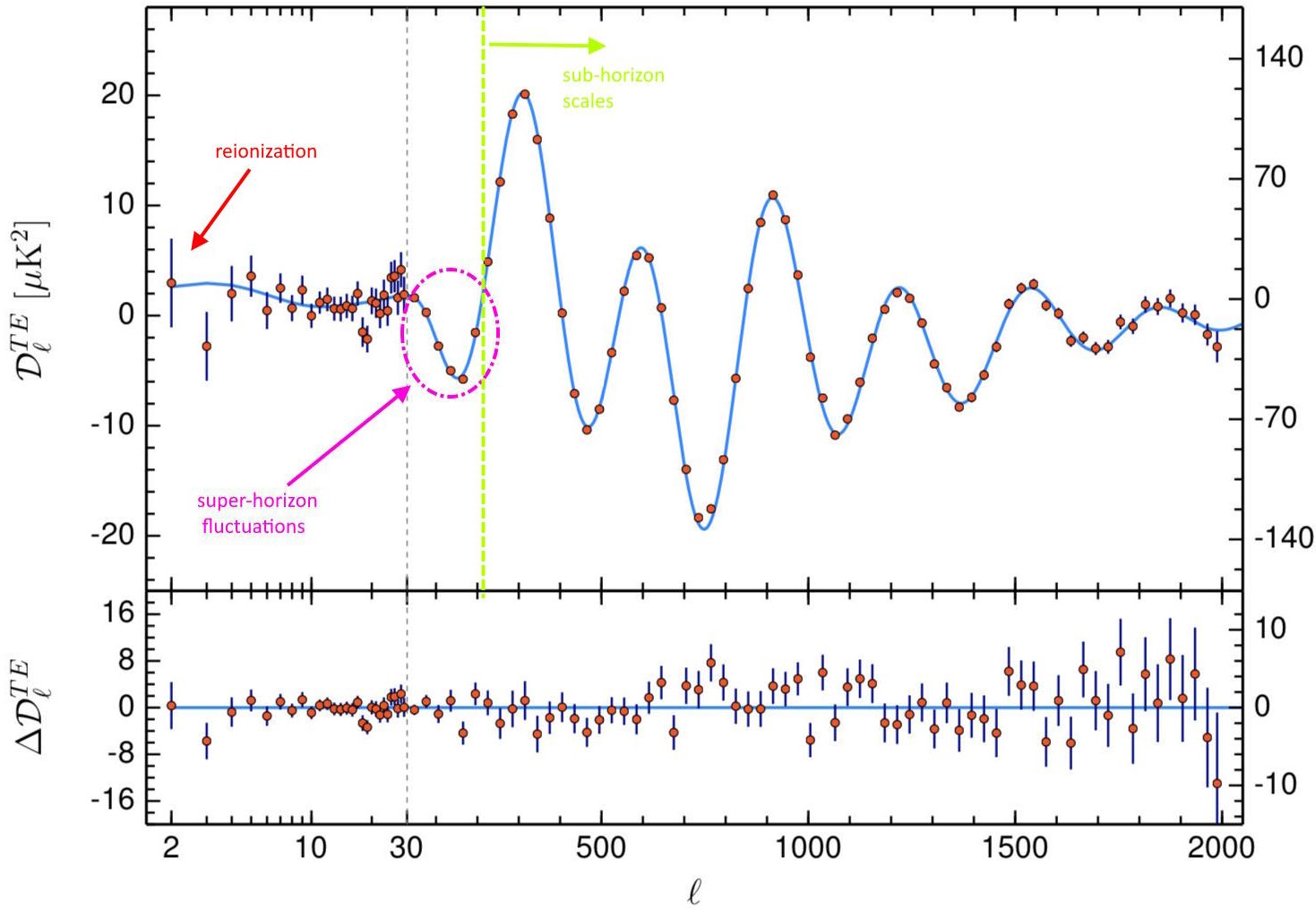
Cosmic inflation, however, demonstrated the importance of testability. It not only solved long-standing problems in the hot Big Bang model but also made specific predictions that could be verified. Observations of the CMB, large-scale structure, and temperature fluctuations confirmed these predictions, leading to the widespread acceptance of inflation as a key component of cosmology.

Inflation’s success highlights the necessity of developing testable predictions. A theory must not only explain known phenomena but also make unique, verifiable forecasts that set it apart from competing models.
5.) Are the proponents of the alternative theory honest about its limitations and successes?
Finally, a contrarian theory must be evaluated based on its transparency. If the proponents acknowledge both the strengths and weaknesses of their model, and if the scientific community agrees that their methods are sound, then the theory deserves serious consideration.
However, many contrarians fail to meet this standard. Some dismiss the consensus without addressing its empirical foundations, while others selectively present data that supports their position. True scientific progress requires openness, honesty, and a willingness to engage with counterarguments.
Ultimately, the scientific method demands that ideas be judged by their ability to align with reality. No amount of rhetoric or advocacy can override the evidence. As we navigate complex scientific questions, it is essential to approach them with intellectual humility, critical thinking, and a commitment to truth.
This article The right way to be a scientific contrarian is featured on Big Think.